


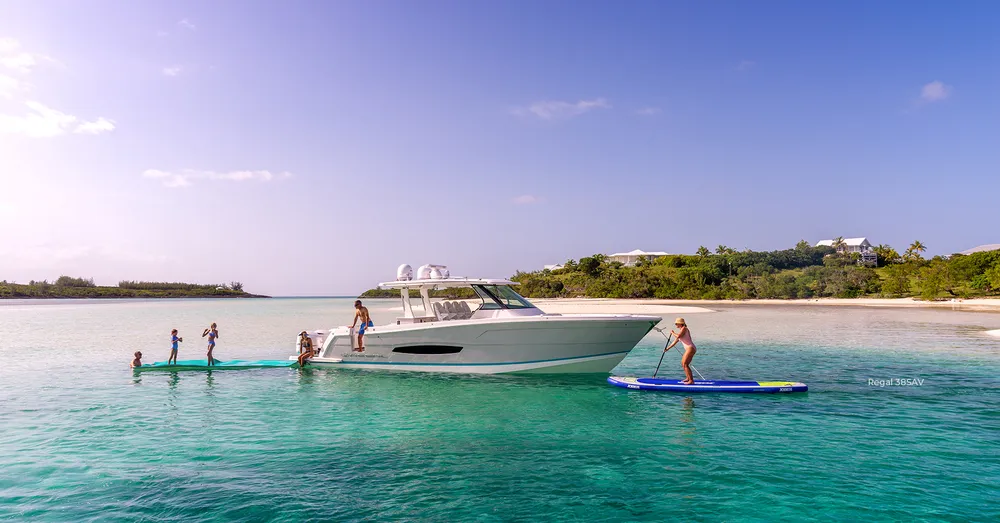
Evaluating a premium vessel across Southwest Florida's distinct regional waterways—whether preparing to cruise the high-density holiday channels of Fort Myers, navigating the shifting sandbars of Cape Coral and Ft. Myers Beach, or charting open-water routes down near Naples and Marco Island—demands strict operational competence and an absolute commitment to standardized destination staging. Southwest Florida serves as an expansive marine gateway, offering a complex mix of protected estuarine bayous, high-energy gulf passes, and remote barrier keys.
Implementing a structured navigational blueprint and verifying your systemic grounding metrics before dropping the trailer bunks transitions your regional cruising from a standard weekend loop into a highly managed, world-class maritime itinerary.
1. The Outer Island Wilderness: The Florida Keys Archipelago
Venturing south from the Caloosahatchee basin toward the extreme southern boundary of the Florida shelf opens up an expansive, multi-day blue-water transit window.
- Execute Long-Range Bluewater Vectoring: Navigating down to the Florida Keys rewards captains with crystal-clear turquoise basins, heavily sheltered coral channels, and deep-sea angling options.
- Prioritize Heavy Mechanical Baselines: Because this transit demands crossing prolonged stretches of open Gulf water, outfitting your transom with high-reliability power plants and multi-engine redundancies is essential before attempting the long southern run.
2. High-Density Urban Estuaries: The Tampa Bay Basin
Positioned at the northern boundary of the regional tracking field, this expansive shipping and recreational basin demands defensive piloting tactics and deep chart plotting.
- Navigate Variable Wake Fields: Tampa Bay functions as a massive, high-volume boater's playground, characterized by dense commercial shipping lanes, complex cross-cutting displacement waves, and shallow perimeter coves.
- Manage Dynamic Subsurface Clearances: Safely tracking across the bay requires strict adherence to designated channel markers and constant monitoring of your multi-frequency depth finder to avoid the wide, shifting sandbars that border the outer channels. After clearing the flats, the municipal waterfront gives you direct access to deep-water transit slips and dockside dining ports.
3. Elite Deep-Water Corridors: The Naples Coastal Tier
Piloting a luxury vessel into the southern coastal zones of Pinellas and Collier counties brings you into contact with sophisticated marine infrastructure and highly regulated channels.
- Master Complex Pass Navigations: Accessing the open Gulf of Mexico through Gordon Pass or surrounding inlets requires a precise understanding of high-velocity tidal currents and localized shoaling.
- Adhere to High-Value Docking Regimes: The Naples waterfront and Naples Bay showcase ultra-premium yachting facilities. Captains must maintain absolute control over low-speed close-quarters maneuvering parameters when staging adjacent to high-value seawalls, commercial slips, and crowded downtown luxury shopping docks.
4. Barrier Peninsula Tracking: The St. Petersburg Littoral Zone
Flanked by the open Gulf to the west and the massive bay system to the east, the St. Petersburg peninsula offers highly diverse water column conditions within brief cruising loops.
- Analyze Technical Bottom Topographies: This sector features pristine barrier beaches, complex bridge spans, and rich marine habitats. Navigating the Intracoastal Waterway (ICW) corridors here demands continuous helm focus, as localized current vectors can shift your tracking line when slipping beneath heavy concrete bascule spans.
- Anticipate Local Cultural Congestion: The downtown harbor tracks host annual cultural events and high-density weekend regattas. Ensure your marine radar arrays and solid-state plotters are properly tuned to scan through high-density vessel fields near municipal seawalls and the iconic museum perimeters.
5. Remote Forensic Expeditions: The Dry Tortugas Outpost
Representing one of the most operationally challenging and isolated marine coordinates on the domestic continental shelf, this destination leaves zero margin for mechanical or provisioning errors.
- Establish Total Operational Self-Sufficiency: Located approximately 70 miles west of Key West, this remote group of small keys is accessible exclusively via long-range hull transits or seaplanes. The basin houses a historic masonry fort and deep coral structures that offer exceptional snorkeling fields.
- Calibrate Extended Range Fuel Metrics: Operating out to the Tortugas requires a meticulous fuel-burn analysis. Captains must strictly implement the standard rule of thirds—one-third fuel for outbound tracking, one-third for inbound returns, and one-third held in absolute reserve—as there are zero emergency refueling stations or shoreside support facilities within the national park boundary.
6. Estuarine Marine Arteries: The Fort Myers and Cape Coral Network
Serving as the structural home port for Southwest Florida mariners, this intricate river and pass matrix requires expert shallow-water management.
- Manage Caloosahatchee River Fluvial Flows: The massive brackish systems connecting Fort Myers, Cape Coral, and the Gulf generate complex water column variations. High-volume lock structures, variable freshwater releases, and heavy sandbar shifting across Ft. Myers Beach require continuous attention to helm telemetry and active route plotting.
- Deploy High-Traction Ground Tackle: When staging for an afternoon layout near regional passes, utilize a structured two-point anchoring setup to prevent the strong river currents from twisting your stern into commercial transit lanes or shallow mangrove mudflats.
7. Global Shelling Paradises: Sanibel and Captiva Barrier Islands
The dynamic orientation of these world-renowned barrier islands creates a highly productive marine ecosystem paired with strict environmental protection parameters.
- Execute High-Vigilance Wildlife Scans: The shallow sound side of Sanibel Island serves as a critical sanctuary for wild bottlenose dolphins, West Indian manatees, and loggerhead sea turtles. Federal and state laws strictly prohibit the harassment, feeding, or close disruption of these species.
- Avoid Destructive Propeller Scarring: The flats surrounding the island contain fragile, protected seagrass beds. If your hull inadvertently drifts into an unverified shallow flat, instantly pull your binnacle back to forward idle, trim your outboards upward, and allow the vessel to drift out or push off manually rather than attempting to power through the sediment, preventing destructive silt induction into your open-loop engine cooling galleries.
Technical Frequently Asked Questions
What is the legal speed restriction for operating a watercraft after dark in Florida waters? Unlike jurisdictions with blanket numeric nighttime speed caps, Florida maritime law, enforced by the FWC, mandates that all vessels maintain a "safe speed" at night based on prevailing visibility, weather, and traffic conditions. However, operators must strictly adhere to localized, posted "Slow Speed, Minimum Wake" restrictions, which legally require the hull to ride fully off plane and completely settled in the water column with a minimal wake profile.
Why is running the engine bilge blower mandatory before launching or starting an inboard vessel? Gasoline fuel vapors are heavier than atmospheric air and naturally accumulate in the lowest quadrants of a sealed engine bay or bilge compartment. Florida safety regulations and federal mandates dictate that power-operated exhaust blowers must be activated for a minimum of four continuous minutes prior to starting an inboard or sterndrive engine. This process evacuates any trapped combustible vapors, preventing a catastrophic static-spark explosion inside the hull machinery space.
Sourcing Authorized Marine Assets & Technical Upkeep
Safeguarding your vessel through variable seasonal conditions requires outfitting your platform with components and mechanical structures calibrated to exact manufacturer tolerances.
- Comprehensive New and Pre-Owned Showrooms: To evaluate rough-water hull geometries, test luxury trim lines, or compare the tracking profiles of elite regional brands, explore our complete regional inventories of New Boats and strictly certified Used Boats.
- Advanced Transom Repower Operations: If your existing power plant exhibits low-end throttle lag or lacks modern digital networks near the courtesy docks, outfitting your transom through our specialized Repower Mercury or Repower Yamaha hubs installs advanced control systems for absolute handling precision.
- Certified Parts and Component Support: From sourcing direct mechanical seals to replacing raw-water pump impellers or choosing specialized ground tackle accessories, our dedicated Parts Department supplies factory-direct assets tailored to your platform's precise needs. For direct technical inquiries or custom mechanical questions, connect with our regional staff ports via our Contact portal.
Fleet Allocation and Financial Coordination
What structural consumer credit frameworks exist for premium vessel procurement? Our internal Financing office constructs customized consumer portfolios, allowing buyers to seamlessly bundle their high-performance hull selection, reliable outboards, technical navigation electronics, and comprehensive Marine Insurance protections into a single structured loan.
Can I leverage my current boat's equity to transition to a modern rough-water platform? Yes. We facilitate transparent, market-accurate asset evaluations to eliminate personal listing delays. To liquidate your old hull and apply its equity directly toward an upgrade, submit your vessel's technical specifications to our Sell / Trade department.
How do I track upcoming dealer events or connect with Walker’s Marine? To learn about our rich legacy serving Southwest Florida mariners, visit our About Us page. You can monitor our active schedule of safe-boating seminars, captain safety workshops, and regional boat shows on our Events page, track continuous technical maintenance guides on our Blog section, see verified customer feedback on our Reviews directory, find our dedicated team configurations via our Staff link, or review current seasonal promotions on our Specials page.