


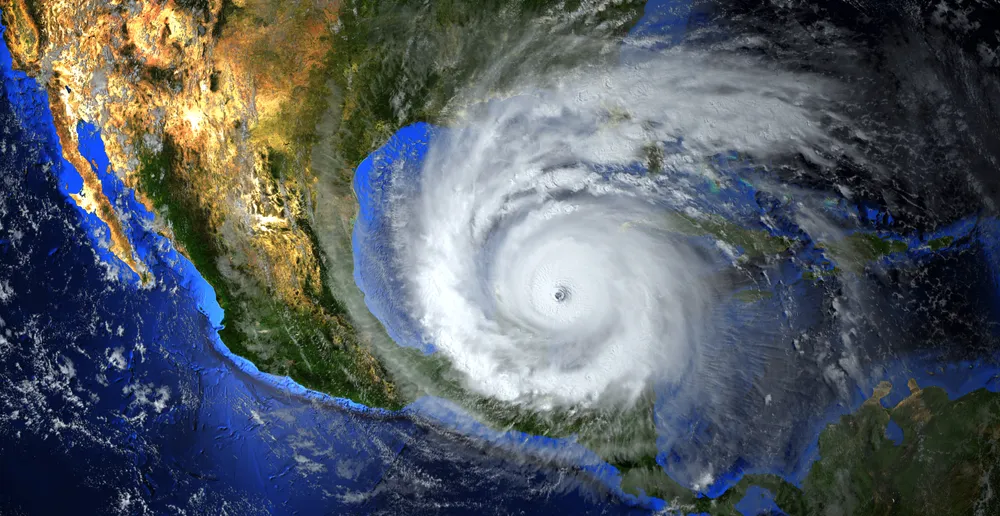
Dropping the throttle of your boat and feeling the refreshing breeze pull across the expansive waters of Southwest Florida is the definition of the good life. Whether you are running out of our showroom hubs in Fort Myers and Cape Coral to cruise the sun-drenched channels of the Caloosahatchee River, setting out from Ft. Myers Beach and Naples to anchor at the popular sandbars around Sanibel and Keewaydin Islands, or navigating the breathtaking mangrove cuts of Marco Island, keeping an eye on the tropical horizon is a mandatory part of command. Our sub-tropical environment is prone to sudden, severe atmospheric updates, and when a tropical system triggers a hurricane warning along the Gulf Coast, a casual approach will result in catastrophic asset failure.
A hurricane produces extreme wind velocities, massive storm surges, and erratic pressure fields that test every line, cleat, and mechanical structure. Developing a strict, proactive vessel tracking plan long before a storm clears the Caribbean is your primary line of defense to protect your platform and ensure your crew remains completely out of harm's way.
1. Establish an Early Storage Framework: Land vs. Water
The single most effective decision you can make to protect your hull from a hurricane is removing it from the water column entirely. Boats stored securely on high ground experience significantly less catastrophic damage than those left fighting the elements in a wet slip.
- The Land Storage Protocol: If your boat is trailerable, haul it out at least 48 to 72 hours before estimated landfall. Move the rig inland, well clear of low-lying flood zones. Block the trailer wheels securely, use heavy-duty tie-down straps to anchor the frame to concrete ground spikes, and slightly decrease tire pressure to prevent rolling.
- The Wet Slip Equation: If your vessel must ride out the storm in a marina slip, seek out a protected "hurricane hole" or a basin featuring floating docks with tall, storm-proof concrete pilings (minimum 18 feet tall). Fixed docks pose a severe threat, as a rising storm surge can quickly lift your deck strakes right over the top of short pilings, leaving the hull to float away helplessly.
2. Strip Topside Assets and Minimize Total Windage
A hurricane’s destructive power is amplified by windage—the surface area your boat presents to the storm's velocity vector. High winds will catch unsecured canvases and lift components right out of the fiberglass liner.
- Remove Loose Hardware: Strip every single removable item from the deck layout. Take down bimini tops, canvases, vinyl cushions, outriggers, antennas, and removable electronics blocks. Store these components down below in locked compartments or transfer them to your home garage.
- Seal the Hull Envelope: Close every single portlight, window, and deck hatch, locking them firmly into place. Use high-purity marine tape or heavy waterproof sheeting to seal up vents, engine room air intakes, and sliding doors to prevent torrential, driving rains from breaching the interior cabin space.
3. Deploy Heavy-Duty Storm Lines and Anti-Chafe Arrays
If your boat is staying in a wet slip or mooring block, relying on your standard everyday dock lines is a guaranteed recipe for failure. The cyclical, violent jerking caused by wave displacement will snap standard lines within hours.
- Double Up with Oversized Cordage: Replace your standard lines with dedicated, oversized nylon lines (minimum 5/8-inch or 3/4-inch depending on vessel displacement). Double all bow, stern, and spring lines, ensuring they are tied with extra slack to accommodate a massive 10-to-15-foot storm surge cycle.
- Install Heavy-Duty Chafing Gear: The friction created where a line rubs continuously against a concrete piling or metal chock will slice through rope easily. Wrap every single friction point in thick rubber garden hoses, heavy canvas rags, or commercial leather split-sleeves to prevent mid-storm line failure.
4. Optimize Bilge Autonomy and Power Reserves
A sealed boat resting on land or in the water column must be structurally configured to shed water efficiently without losing its internal power systems.
- For Trailered Hulls: Always pull the main hull drain plug the exact second the trailer settles on high ground. Position the bow at a significant upward angle relative to the stern so that heavy rainfall drains out of the transom immediately rather than accumulating inside the bilge and overloading the suspension.
- For Slotted Hulls: Leave the drain plug secured, clean your bilge basins thoroughly to eliminate debris that could clog pump impellers, and verify that your automatic float switches cycle perfectly. Ensure your starting and house batteries are fully charged to run the automatic pumps continuously throughout the storm, and shut down all non-essential electrical circuits.
5. Secure Complete Documentation and Photographic Telemetry
Filing a successful marine insurance claim after a severe storm depends entirely on having clear, unassailable proof of your vessel’s pre-storm condition and structural integrity.
- Compile a Waterproof Marine Folder: Consolidate your official boat title, state registration, marina lease contracts, and your comprehensive marine insurance policy into a secure, waterproof container to keep with you on land.
- Execute a Full Visual Audit: Walk your entire platform with a camera, capturing high-resolution photos and videos of the interior, exterior hull strakes, electronics layout, and serial numbers. Once your storm lines or trailer tie-downs are completely locked in place, take final photos to prove to a claims claims adjuster that you took every possible precaution to safeguard the asset.
Frequently Asked Questions
What is the legal speed restriction for operating a watercraft after dark in Florida waters? Unlike jurisdictions with blanket numeric nighttime speed caps, Florida maritime law mandates that all vessels maintain a "safe speed" at night based on prevailing visibility, weather, and traffic conditions. However, operators must strictly adhere to localized, posted "Slow Speed, Minimum Wake" restrictions, which legally require the hull to ride fully off plane and completely settled in the water column with a minimal wake profile.
Why is running the engine bilge blower mandatory before launching or starting an inboard vessel? Gasoline fuel vapors are heavier than atmospheric air and naturally accumulate in the lowest quadrants of a sealed engine bay or bilge compartment. Safety regulations dictate that power-operated exhaust blowers must be activated for a minimum of four continuous minutes prior to starting an inboard or sterndrive engine. This process evacuates any trapped combustible vapors, preventing a catastrophic static-spark explosion inside the hull machinery space.
Sourcing Authorized Marine Assets & Technical Upkeep
Safeguarding your vessel through variable seasonal conditions requires outfitting your platform with components and mechanical structures calibrated to exact manufacturer tolerances.
- Comprehensive New and Pre-Owned Showrooms: To evaluate rough-water hull geometries, test luxury cabin layouts, or compare the tracking profiles of elite regional brands, explore our complete regional inventories of premium New Boats and strictly certified Used Boats.
- Advanced Transom Repower Operations: If your existing power plant exhibits low-end throttle lag or lacks modern digital networks near the courtesy docks, outfitting your transom through our specialized Walker's Marine Repower Mercury or Repower Yamaha hubs installs advanced control systems for absolute handling precision.
- Factory-Direct Marine Hardware and Components: For both specialized preventative systems upkeep and do-it-yourself adjustments at the dock, our dedicated Parts Center supplies factory-direct filters, zinc anodes, custom electrical hardware, and marine accessories to keep your platform running beautifully.
Fleet Allocation and Financial Coordination
What structural consumer credit frameworks exist for premium vessel procurement? Our internal Financing office constructs customized consumer portfolios, allowing buyers to seamlessly bundle their high-performance hull selection, reliable outboards, technical navigation electronics, and comprehensive Marine Insurance protections into a single structured loan.
Can I leverage my current boat's equity to transition to a modern rough-water platform? Yes. We facilitate transparent, market-accurate asset evaluations to eliminate personal listing delays. To liquidate your old hull and apply its equity directly toward an upgrade, submit your vessel's technical specifications to our Sell / Trade department.
How do I track upcoming dealer events or connect with Walker's Marine? To learn about our 30-year legacy serving Southwest Florida mariners, visit our About Us page. You can monitor our active schedule of safe-boating seminars, captain safety workshops, and regional boat shows on our Events page, track continuous technical maintenance guides on our Blog section, see verified customer feedback on our Reviews directory, or connect directly with our specialized team members via our Staff index. To find current promotions and seasonal sales incentives, check our Specials page. Experience these performance traits firsthand and evaluate various configurations across real-world water conditions by connecting directly through our main Contact Us portal.